

Your Team Shouldn't Have to Guess (or Argue)
The best communication systems reduce the amount of interpretation people have to do when they are already busy, irritated, rushed, or unsure.

The Odyssey and Layoffs and AI...Oh My!
A decision to tell a story the way you know serves your message best does not alienate. It sanctifies the ones who get it.
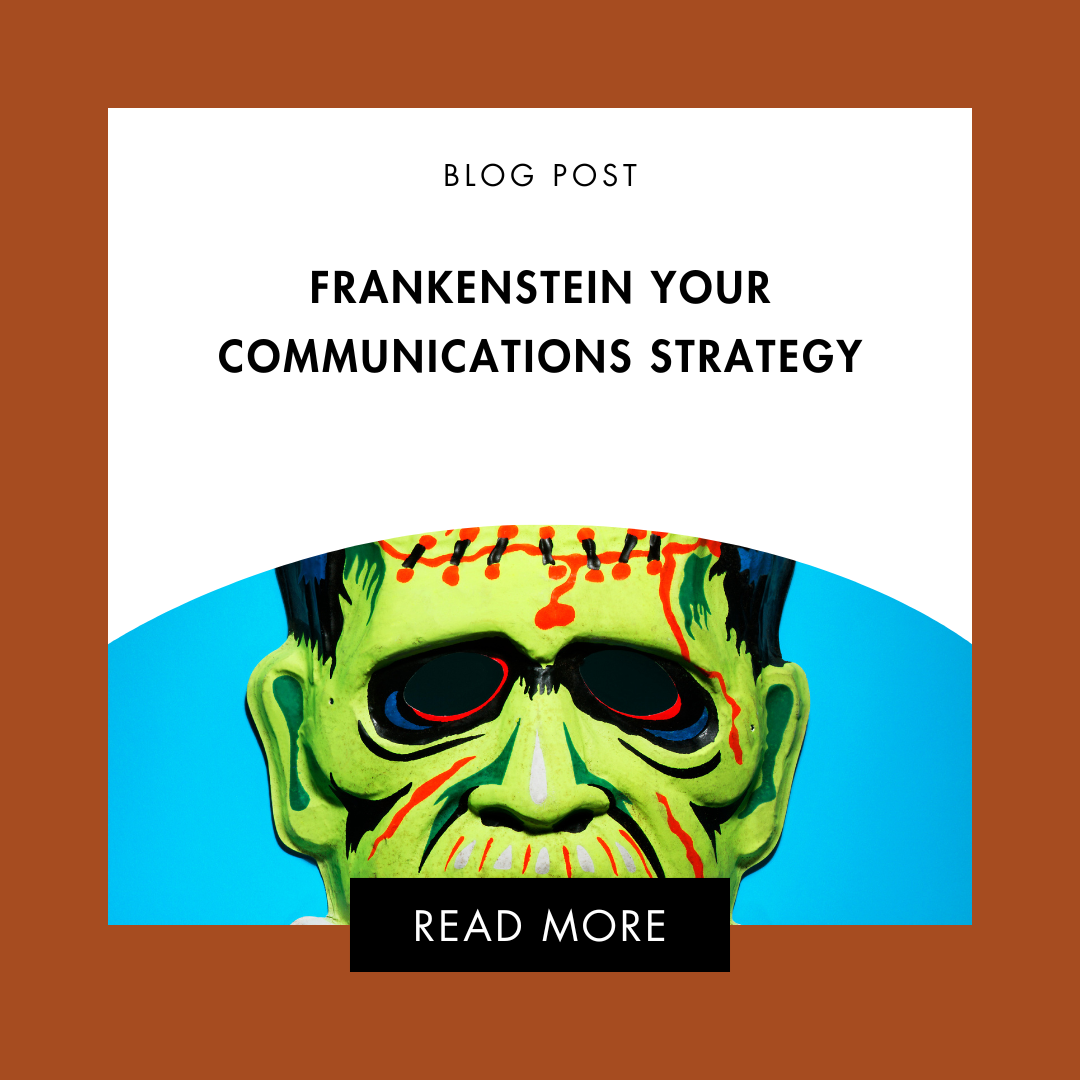
Frankenstein Your Comms Strategy
Your organization already has one word that says it all in it somewhere. The question is whether anyone outside your walls has ever heard it clearly, or if it's gotten lost under everything else you're saying instead.

The Tax Law and Your Donors' Trust
Your donors, members, and partners aren't looking for you to have a perfect answer to a new tax law. They're looking for your story to still be standing, unchanged, when they come back to it.

Why Your Messaging Isn't Converting—And How to Fix It
Better words don’t fix broken positioning.

Why Your Content Isn't Working—And What Infrastructure Actually Looks Like
Content infrastructure isn't about creating more. It's about building systems that make content actually work.
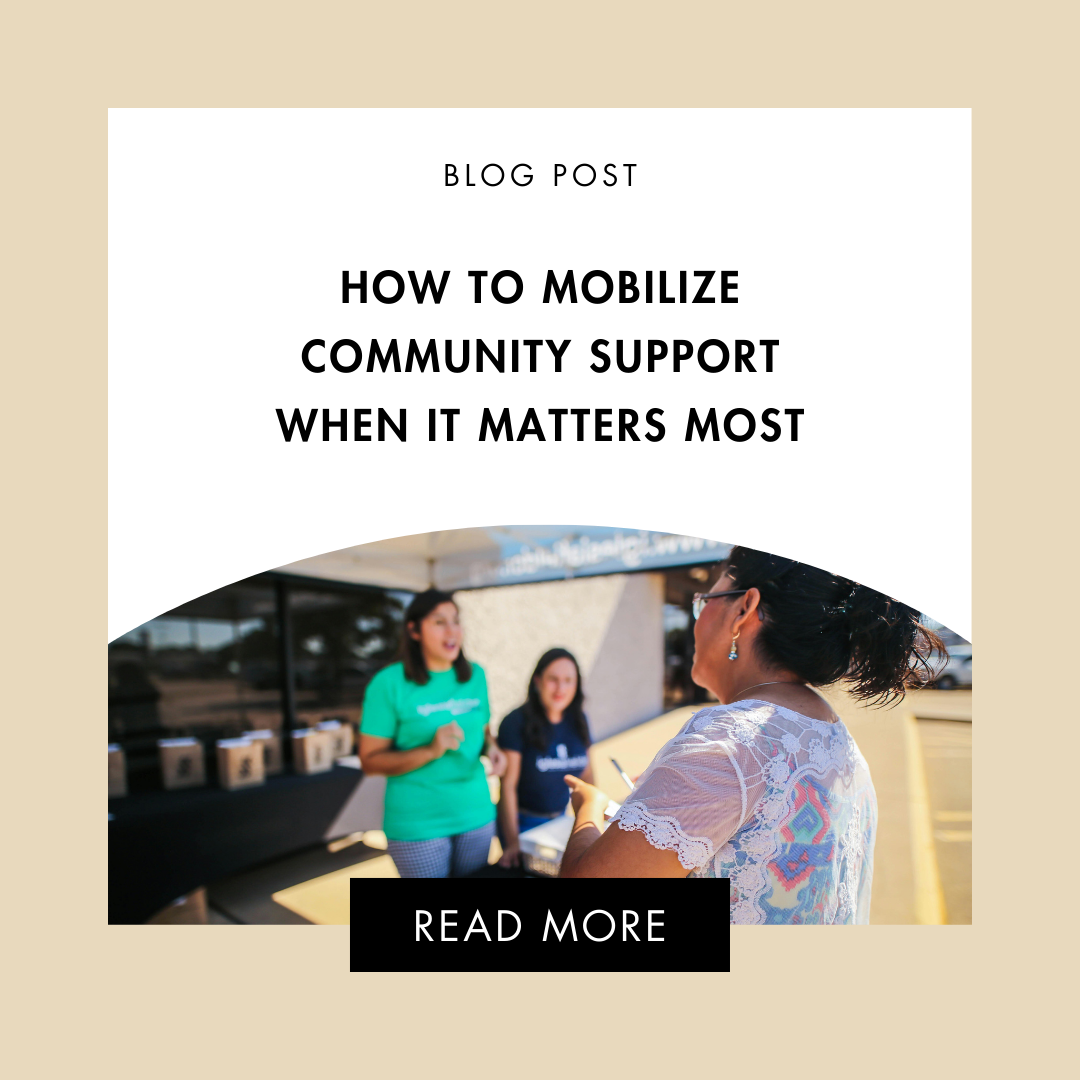
How to Mobilize Community Support When It Matters Most
Mobilizing a community isn't a communications tactic. It's a strategic narrative that gives people a reason to act and a clear path to action.
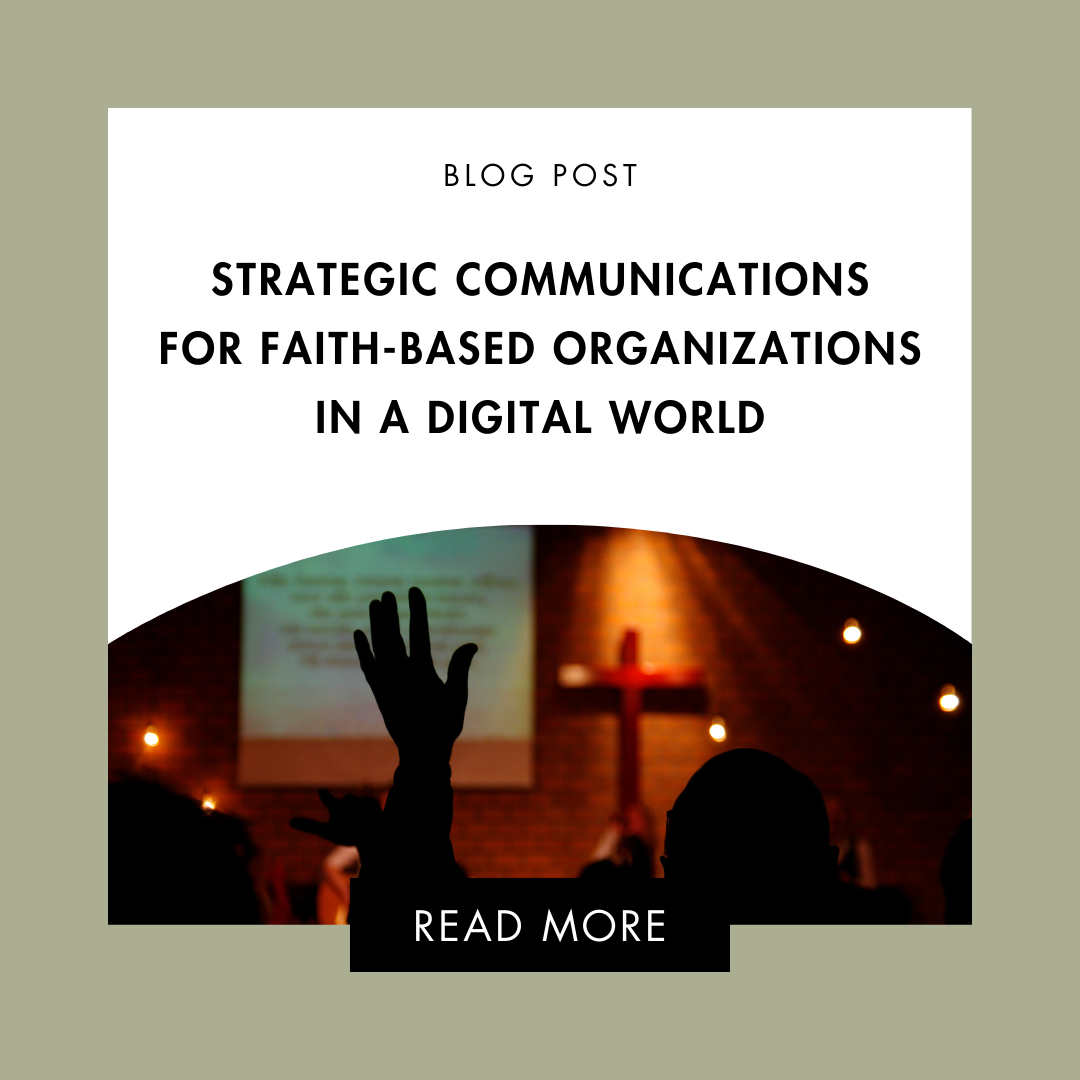
Strategic Communications for Faith-Based Organizations in a Digital World
Digital presence without strategy is a clashing cymbal.